 Agriculture
Hexachar Soil+
Biochar for soil improvement in gardens, landscaping and agriculture.
- Organic carbon: 91.4%
- H/Corg: 0.15
Hexachar is biochar from Fruedal Pyrolyse whose first batch has been analysed and attested by independent third parties – for buyers who demand documentation rather than promises.
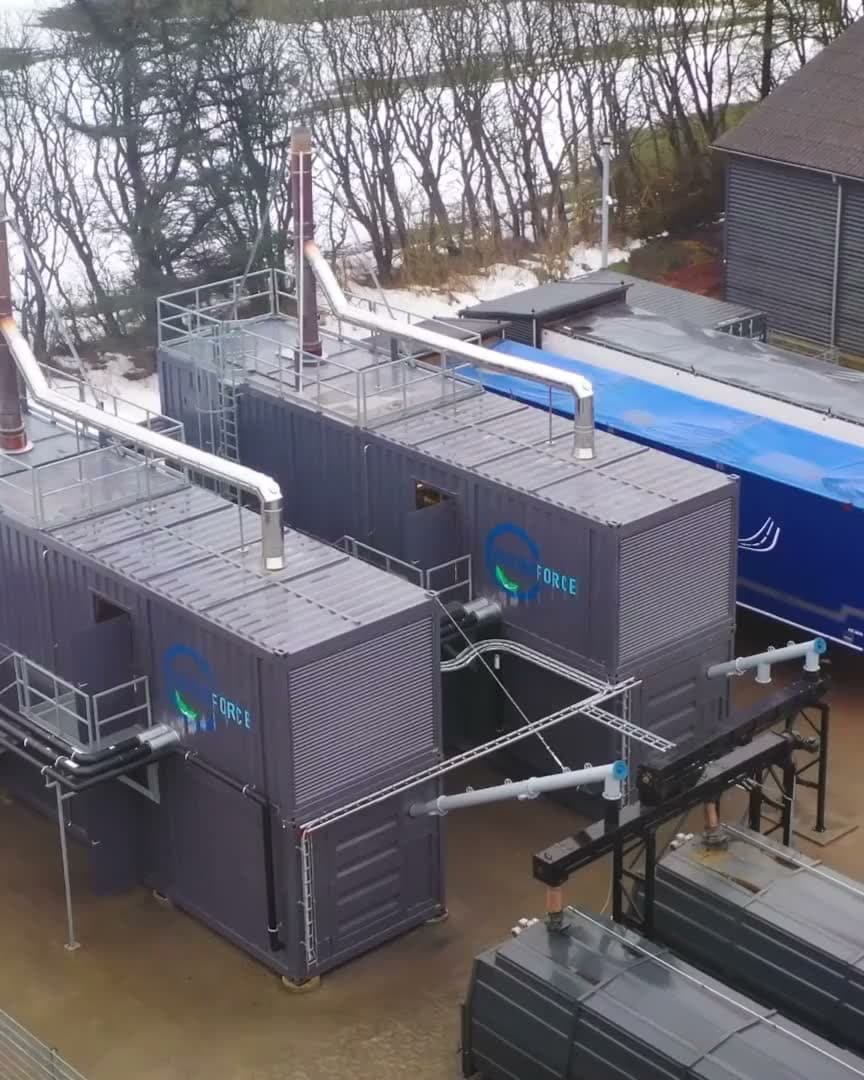
One biochar, four applications. We tailor the biochar to the task in agriculture, construction, feed and filtration.
AgricultureBiochar for soil improvement in gardens, landscaping and agriculture.
 Construction
Carbon-rich biochar for concrete and asphalt – developed together with the producer.
 Feed
Vegetable charcoal from Fruedal's own production – contact us about its use in feed.
 Filtration
Biochar for industrial air and water purification, developed together with the customer.
Carbon content, H/Corg and carbon storage potential are taken from the C-sink attestation of the first batch (ba000276, Global Biochar C-Sink, CERES-CERT 26/3-2026) and refer to dry matter. Values may vary between batches.
Biochar is not just an additive – it is an intervention in the carbon cycle. Pyrolysis converts a large share of the biomass carbon into a form that breaks down very slowly: our first batch is placed in the upper persistence class, in which 90% of the carbon is counted as geologically persistent.
The first batch has a carbon storage potential of 3.35 t CO2e per tonne of biochar (dry matter, gross at the factory gate). Emissions from production, transport and processing must be deducted before the storage can be registered as C-sinks.
Biochar is porous. Trials show that, under certain conditions, biochar can increase the soil's water-holding capacity and reduce nutrient leaching – the effect depends on soil type and application rate.
The first batch was produced from pruning residues and clean wood chips (categories Ag-04 and F-02 in Global Biochar C-Sink). The heat from the pyrolysis gas is utilised.
The first batch (ba000276) has been analysed and attested by CERES-CERT under Global Biochar C-Sink, and its persistence class has been confirmed by Carbon Standards International.
Hexachar is for organisations that demand documented carbon content and attested storage potential combined with immediate operational value.
Farmers and soil blenders who want to use biochar for soil improvement.
Concrete and asphalt producers who want to trial biochar in their materials.
Feed manufacturers and livestock farms that want to use biochar in feed.
Industry and utilities that want to trial biochar for air and water purification.
Do you have questions, or would you like to hear about experience with biochar in your specific products?
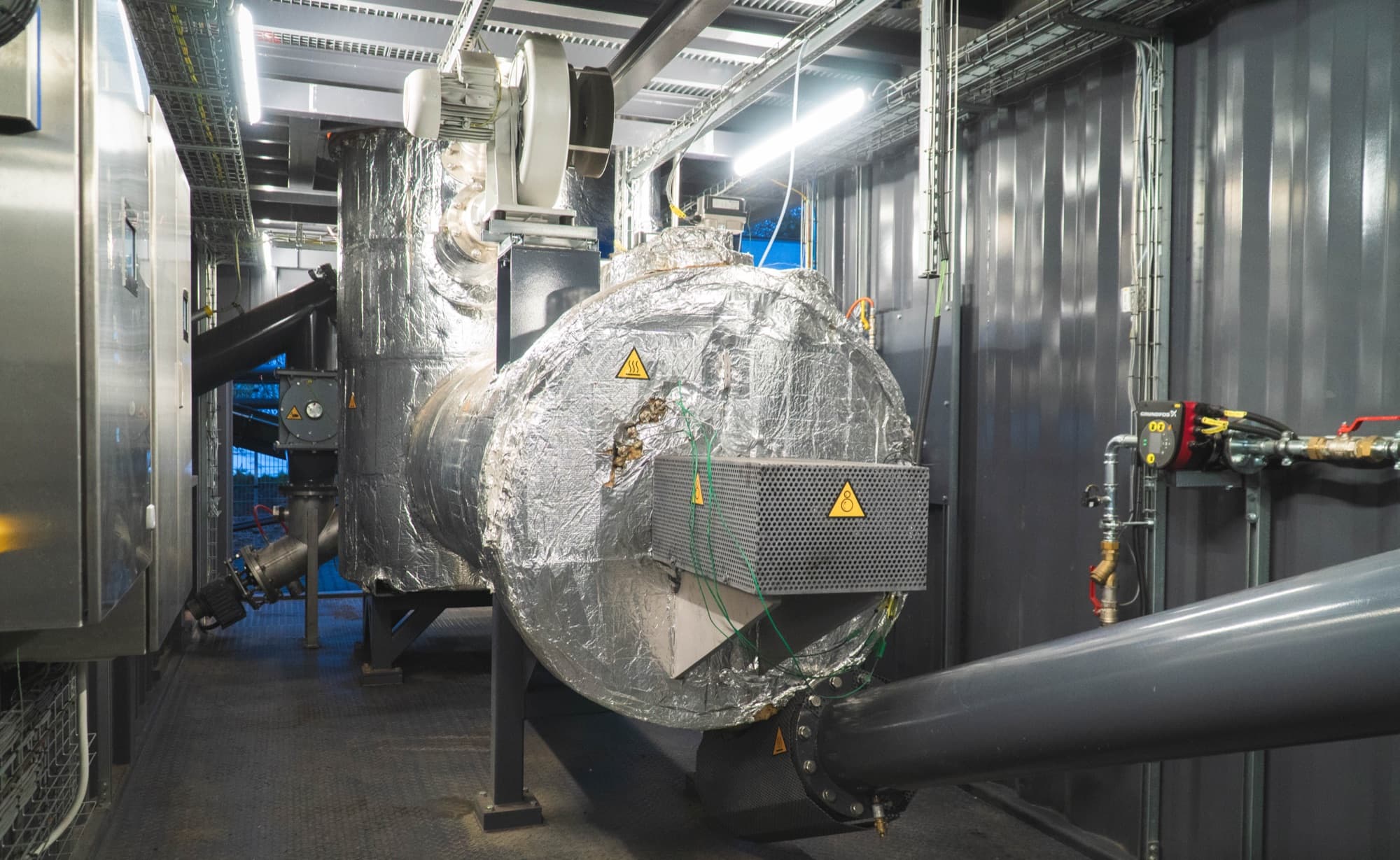
Contact our teamPrecise thermal decomposition. Biomass is heated to high temperatures without oxygen in a plant built on European engineering.
Pruning residues and clean wood chips from forest management.
Pyrolysis without oxygen. The pyrolysis gas is combusted to drive the process, and the surplus heat is utilised.
The biochar is cooled, sampled for laboratory analysis and graded by product line.
In the carbon storage market, trust is binary. Our first batch (ba000276) has been attested by CERES-CERT (attestation cs000276), and its persistence class has been confirmed by Carbon Standards International. The documents are available on request from our sales team.
Laboratory analysis of the first batch (dry matter) – the basis for the storage.
The first batch meets the requirements for the upper persistence class (Global Biochar C-Sink 3.3): 90% of the carbon is counted as geologically persistent and 10% as semi-persistent.
Carbon storage potential per tonne of biochar in the first batch (dry matter, gross at the factory gate), attested by CERES-CERT.